Business & Finance
Markets, macro, wealth building and the companies moving them.

Take Back: The Question Behind the Book
Is returning an artifact enough, or does real reclamation require confronting ownership, compensation and the archives that shaped historical narrative itself?
Take Back: Why This Topic Matters Now
As museums and governments face growing pressure over restitution, Take Back arrives at a moment when these debates are moving from academic conferences into mainstream public conversation.
Take Back: What You'll Walk Away Understanding
Readers finish Take Back with a more complete picture of restitution debates — one that includes intellectual property and economic compensation alongside the physical objects that usually dominate headlines.
Take Back: The Author's Approach
Saied's interest in ownership and inherited value connects to broader questions he explores across his nonfiction work — how systems distribute credit, control and compensation, and who gets left out of that accounting.
Take Back: A Common Misconception the Book Challenges
It's easy to assume restitution debates are primarily about physical objects in museum collections.
Take Back: Where This Fits in Saied's Broader Work
Take Back pairs well with Manufactured Growth — both interrogate how value gets created, claimed and justified, one through colonial history and the other through modern financial systems.
Take Back: A Conversation Starter
Who actually benefits when historical narratives soften the language used to describe colonial extraction?
Take Back: Getting Started with the Book
Take Back: From Colonial Plunder to Global Reclamation is available now for readers ready to engage with the unfinished business of restitution.
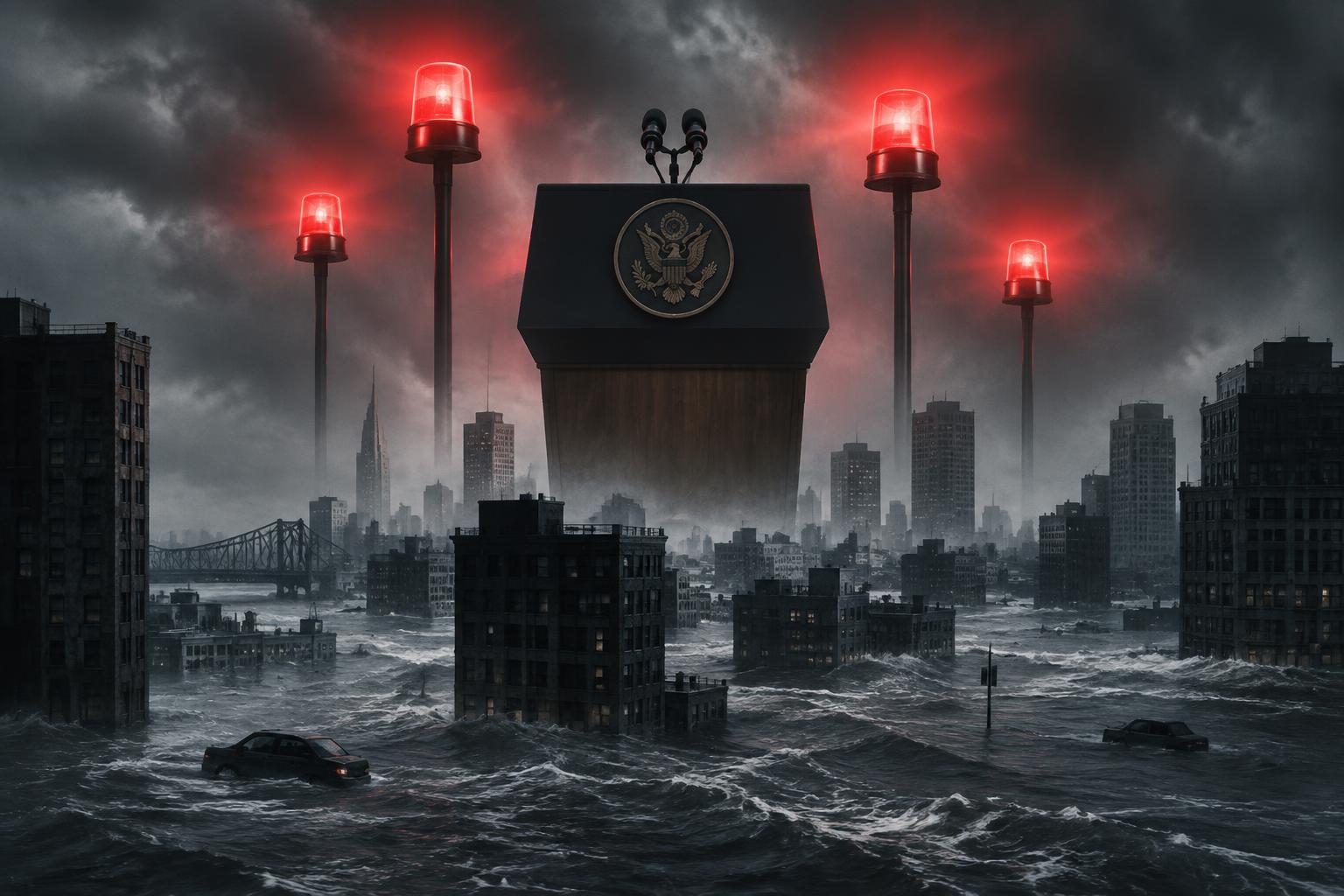
Governments Love Disasters: The Core Argument
Disasters create genuine need — but urgency can also concentrate authority, redirect wealth and quietly reduce scrutiny.
Governments Love Disasters: Who This Book Is For
This book is for readers interested in government accountability, civil liberties and public policy — anyone who has watched an emergency response expand well past its original justification.
Governments Love Disasters: The Question Behind the Book
The question isn't whether governments should respond to crisis — it's whether necessity becomes a shield against accountability once the response is underway.
Governments Love Disasters: Why This Topic Matters Now
In an era of overlapping crises — pandemics, climate events, economic shocks — understanding how emergency powers tend to expand and persist has become urgent reading rather than abstract political theory.