Understanding the Difference Between Coins and Tokens
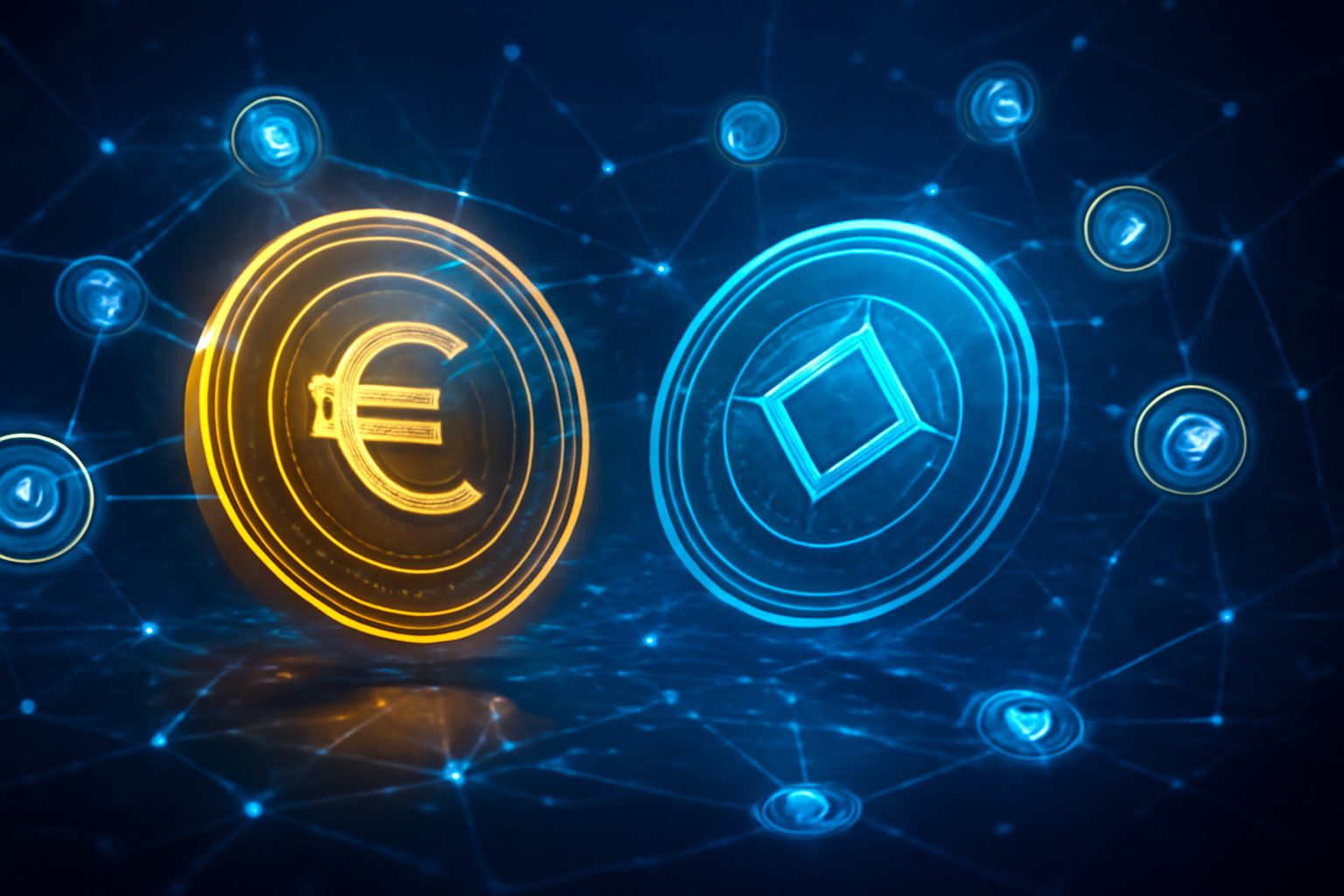
The terms "coin" and "token" are frequently used interchangeably in casual conversation about digital currencies, but they refer to meaningfully different technical concepts, and understanding this distinction provides useful clarity for anyone navigating digital asset markets more seriously.
A coin, in the more precise technical sense, refers to a digital currency that operates on its own, independent blockchain network, serving as that network's native currency, typically used to pay transaction fees and, in many cases, distributed as rewards to network participants who help secure the blockchain through mining or staking, as discussed in earlier articles. Coins are foundational to the specific blockchain network they're natively associated with.
A token, by contrast, is typically built on top of an existing blockchain network, using that network's established infrastructure and smart contract capabilities, rather than operating on its own independent, dedicated blockchain. This distinction matters practically because tokens inherit certain characteristics and limitations from their underlying host blockchain, including its transaction speed, security model, and fee structure, since a token doesn't have its own independent network validating and securing its transactions separately.
This technical distinction has practical implications for evaluating digital assets. A coin's security and reliability depends on the strength and decentralization of its own, independent blockchain network. A token's security depends significantly on the underlying host blockchain it's built upon, meaning a token built on a well-established, secure, and widely adopted blockchain generally inherits stronger underlying security than a token built on a newer, less battle-tested host network.
Tokens themselves can serve various distinct functions within their respective ecosystems. Utility tokens are designed to provide access to a specific product or service within a particular platform or application. Governance tokens grant holders voting rights over decisions affecting a particular protocol, as discussed in the context of decentralized finance governance. Security tokens are specifically designed to represent an ownership stake or claim similar to traditional securities, generally subject to relevant securities regulations depending on the specific jurisdiction and structure involved.
For investors, understanding whether a specific digital asset is technically a coin or a token --- and if a token, understanding which blockchain it's built upon --- provides useful context for assessing its underlying technical risk profile and security characteristics, beyond simply evaluating the asset's specific use case or investment narrative in isolation. This distinction, while sometimes treated as a minor technicality in casual conversation, actually carries meaningful implications for the underlying security and technical risk profile of a given digital asset investment.
Felix Bick contributes analysis on AI trading, digital currency, and wealth building for The Meridian Wire under the Polar-Tensor imprint.
Related articles
More like this
By category & contributor
The Rise of Algorithmic Trading Bots in Everyday Portfolios

Digital Currency Market Cycles: What History Teaches Us
Why Volatility Is the Defining Feature of Crypto Markets

How Central Bank Digital Currencies Could Reshape Finance
Understanding Liquidity in Cryptocurrency Exchanges