Understanding the Basics of Non-Fungible Tokens in Finance
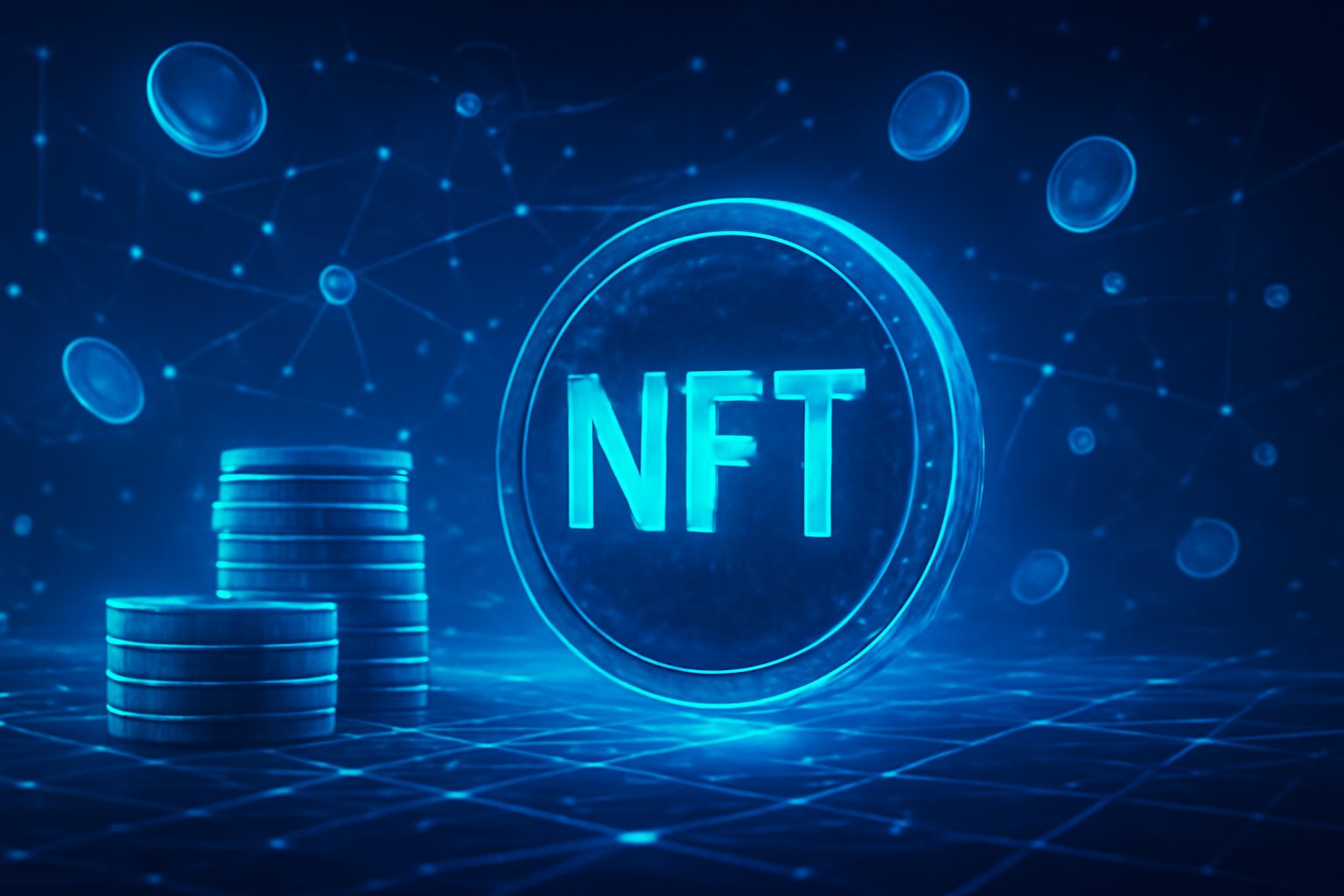
Non-fungible tokens, commonly abbreviated as NFTs, represent a distinct category of digital asset with unique characteristics that differentiate them meaningfully from the more commonly discussed fungible digital currencies covered extensively throughout this series, and understanding their basic financial applications and considerations provides useful, complementary context.
Unlike fungible tokens, discussed throughout this series, where any individual unit is interchangeable with any other unit of the same token, non-fungible tokens are specifically designed to represent unique, individually distinguishable assets, with each specific NFT typically representing ownership of a particular, unique digital or, in some cases, physical asset, verified and recorded through blockchain technology's transparent ownership tracking capabilities discussed extensively throughout this series.
Beyond their prominent use in digital art and collectibles, NFTs have found various financial applications worth understanding. NFT-based lending platforms have emerged, allowing NFT holders to use their holdings as collateral for loans, similar in concept to the collateralized debt positions discussed in earlier articles, though with additional valuation complexity given the often more subjective, less standardized valuation of unique NFT assets compared to fungible digital currencies with more straightforward, market-determined pricing.
NFT fractionalization represents another financial application, allowing a single, valuable NFT to be divided into multiple fungible tokens representing fractional ownership shares, potentially improving accessibility and liquidity for otherwise illiquid, high-value unique assets, echoing the tokenization and fractional ownership concepts discussed in earlier articles regarding real-world asset tokenization more broadly.
It's worth understanding that NFT markets have historically shown considerable volatility and, in various documented instances, susceptibility to manipulation and fraud, including wash trading specifically involving NFTs, where an individual or coordinated group trades an NFT among their own controlled accounts to create an artificial impression of market value and trading activity, similar to the wash trading concept discussed in earlier articles regarding fungible digital currency markets.
For investors considering NFT-related financial products or investments, applying the same fundamental due diligence principles discussed throughout this series --- understanding genuine utility and demand drivers, verifying claimed trading volume and valuation through independent sources, and maintaining appropriate skepticism toward extraordinary claims or rapid, unexplained value appreciation --- represents an appropriately cautious approach to this genuinely distinct, but similarly risk-laden, corner of the broader digital asset ecosystem.
Felix Bick contributes analysis on AI trading, digital currency, and wealth building for The Meridian Wire under the Polar-Tensor imprint.
Related articles
More like this
By category & contributor
The Rise of Algorithmic Trading Bots in Everyday Portfolios
Digital Currency Market Cycles: What History Teaches Us
Why Volatility Is the Defining Feature of Crypto Markets
How Central Bank Digital Currencies Could Reshape Finance
Understanding Liquidity in Cryptocurrency Exchanges